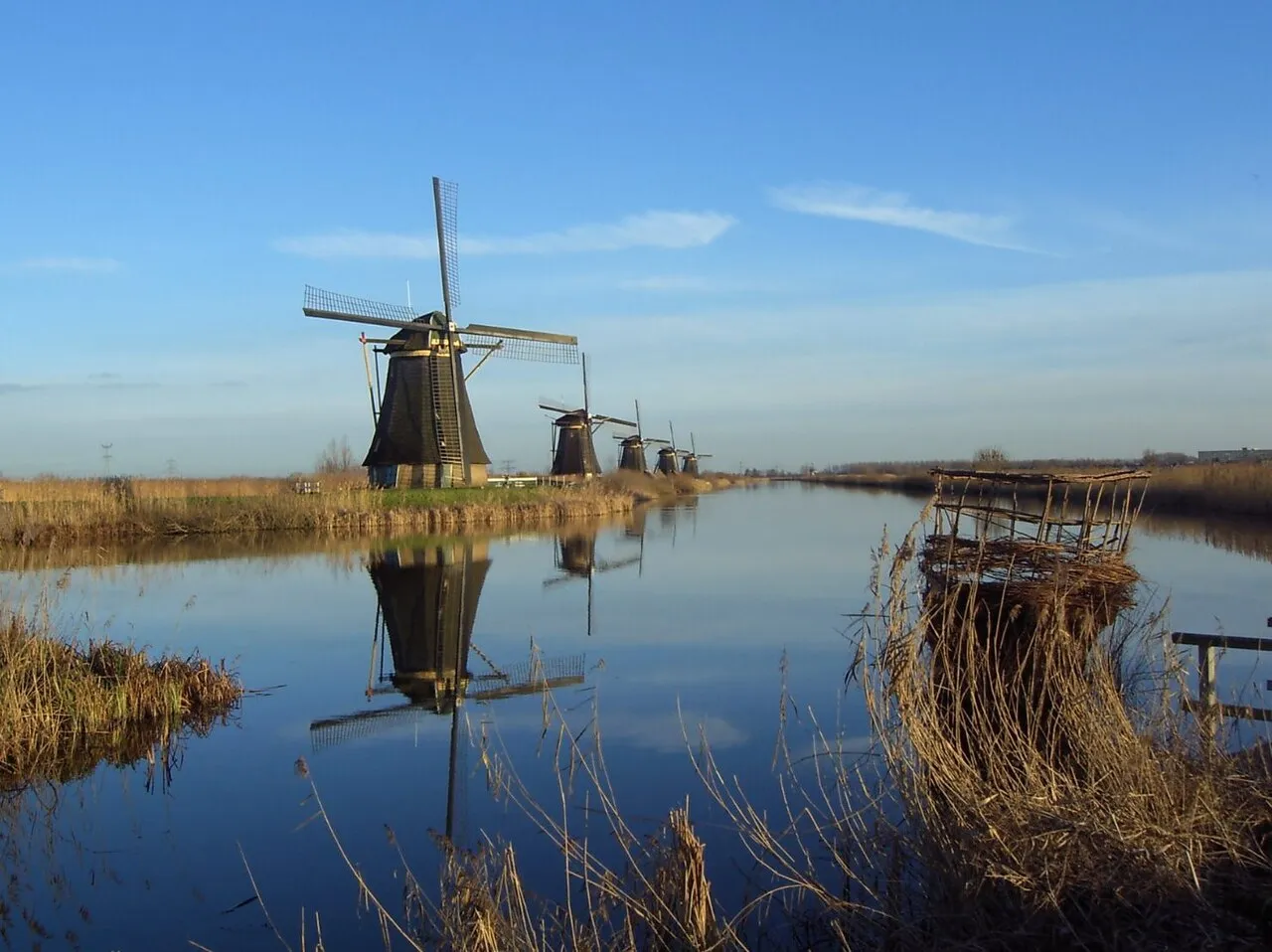
Kinderdijk deserves a place in a Netherlands itinerary because it offers a focused experience rather than a generic sightseeing stop. This guide is designed for travellers who want useful context, realistic timing and practical planning, while still leaving enough freedom to enjoy the place naturally.
If you prefer a flexible route that connects this attraction with other Dutch destinations, explore private tours across the Netherlands or request customised tour planning from Flying Carpet Amsterdam.
Quick planning guide
- Official visitor information: https://kinderdijk.nl/en/
- Rail planning: NS Dutch Railways
- Public transport: 9292
- Best approach: reserve the main attraction first, then build flexible activities around it.
- Before travelling: recheck opening hours, timed entry, temporary closures and transport works.
Why visit Kinderdijk?
The Netherlands is compact, but good travel planning is still about depth rather than distance. Visitors often lose time by trying to collect too many attractions in one day. Kinderdijk works best when you identify what makes it distinctive, give the principal experience enough time and avoid scheduling another major attraction immediately afterwards.
A well-paced visit usually combines three elements: the main museum, monument or landscape; a slower walk through the surrounding area; and a break for food or coffee. That simple structure is flexible enough for weather changes and makes the day feel less like a checklist.
UNESCO water-management landscape
UNESCO water-management landscape is central to understanding why Kinderdijk is worth more than a quick photo stop. Read the interpretation on site, notice how the surrounding landscape or building supports the story, and allow time to absorb details rather than moving immediately to the next attraction.
Museum mills and pumping stations
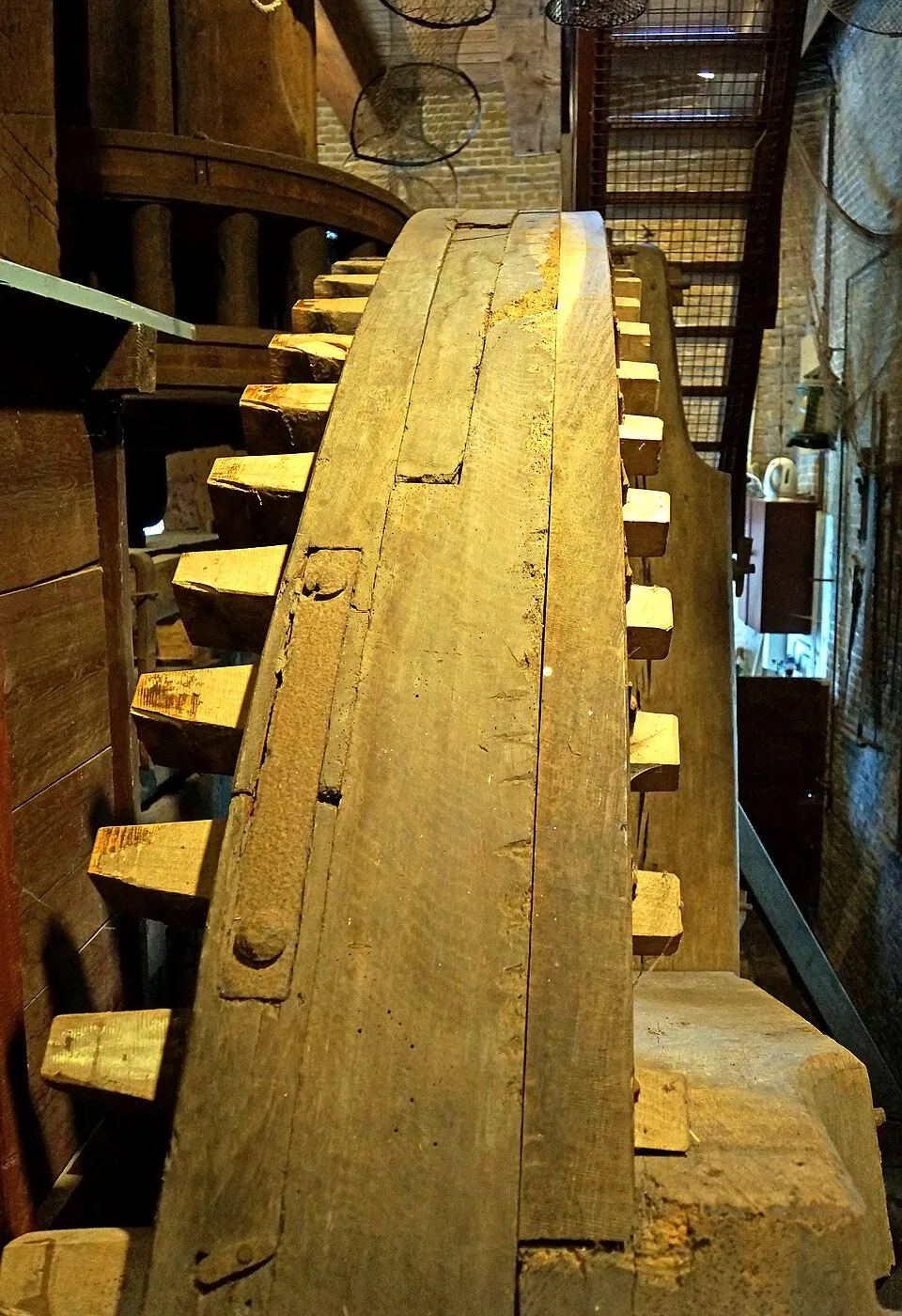
When exploring museum mills and pumping stations, practical planning matters. Check current access, opening arrangements and any temporary restrictions on the official website. Busy periods can change the atmosphere considerably, so an early start often gives a more comfortable first impression.
Walking and boat perspectives
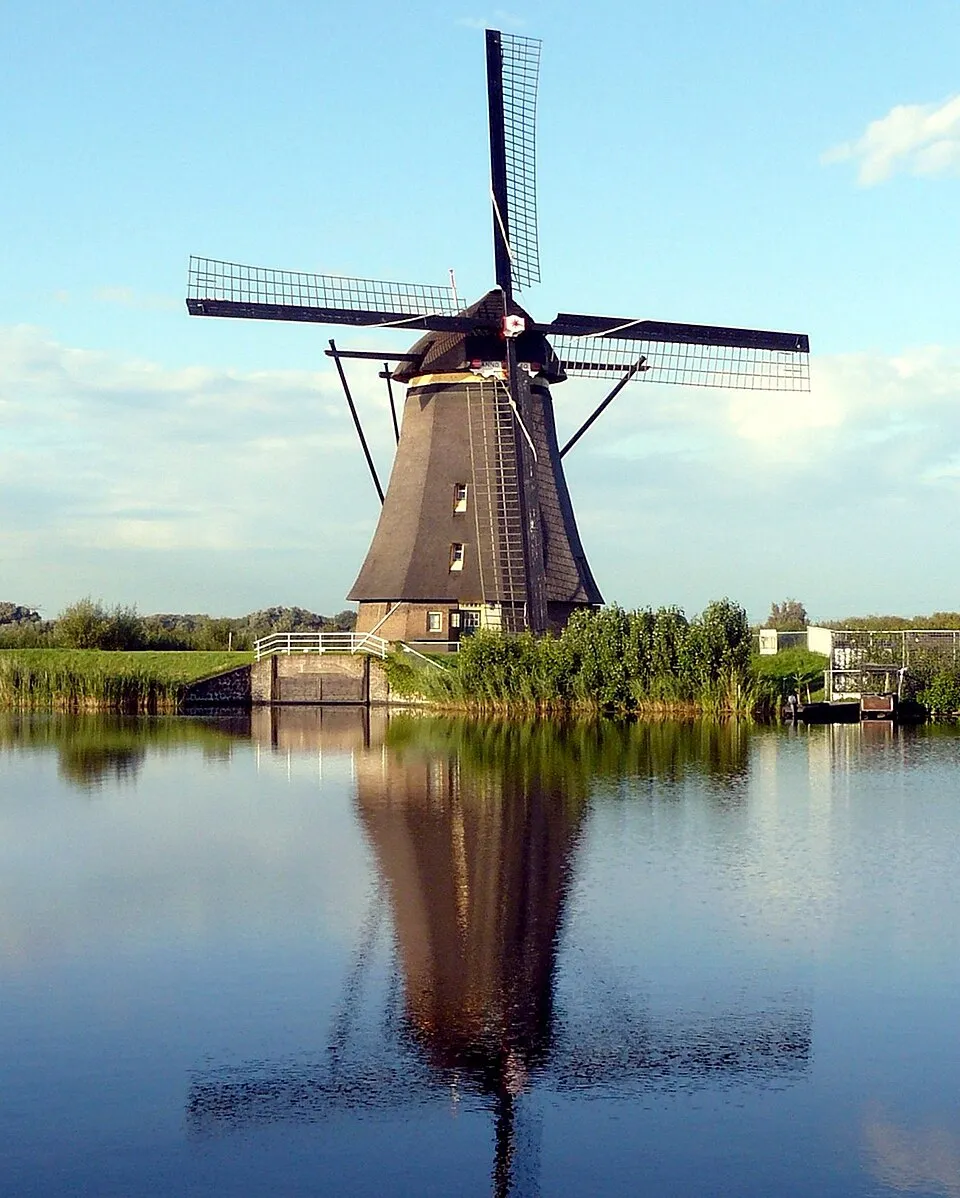
The value of walking and boat perspectives comes from context. Look for connections between design, history, daily life and the broader Dutch landscape. These connections turn a simple visit into a more memorable understanding of the Netherlands.
Responsible heritage visiting
Do not treat responsible heritage visiting as an isolated item on a checklist. Combine it with a nearby walk, café, park or viewpoint, and leave enough time to experience the surroundings. This creates a better rhythm and usually leads to more authentic photographs and observations.
How much time should you allow?
For a major museum, castle or heritage site, two to four hours is a sensible minimum for many visitors. Open-air landscapes can easily absorb half a day, while destinations with multiple museums, boat rides, gardens or demonstrations may justify a full day. Add travel time separately and allow a buffer before any timed-entry ticket.
Travellers who read labels carefully, take photographs or visit with children should plan more generously. The objective is not to see everything; it is to understand the strongest parts of the experience.
Tickets and reservations
Always begin with the official website. Ticket structures, opening hours and reservation systems can change, and special exhibitions or events may alter normal access. For very popular attractions, booking early is safer than assuming walk-up admission will be available.
Check exactly what the ticket includes. At heritage villages and large estates, public outdoor areas may have different access rules from museums, interiors, boat trips or special activities. When a reseller is used, confirm that it is authorised and compare cancellation conditions.
Getting there without wasting the day
Dutch trains are frequent between major cities, but the final part of the journey may require a bus, bicycle, ferry or walk. Use NS and 9292 shortly before departure because maintenance works can change routes. If several rural attractions are planned on the same day, compare public transport with a private tour rather than assuming one method is always faster.
When driving, check parking restrictions before setting out. Famous heritage destinations often have limited parking, and public transport can be both easier and more sustainable.
Best time of day
Early morning usually provides the calmest conditions at internationally known attractions. Late afternoon can also be pleasant, especially outdoors, but only if closing times leave enough room for an unhurried visit. Midday is often the busiest period for day-trip destinations from Amsterdam.
Season matters too. Spring and early autumn are comfortable for walking; summer offers long daylight but higher visitor numbers; winter favours indoor museums and quieter city experiences. Weather-sensitive activities such as boats, gardens and exposed landscapes deserve a last-minute forecast check.
Photography and respectful travel
Good photography should never come at the expense of residents, other visitors or the site itself. Do not block bridges, paths, entrances or cycle lanes. At memorial sites, private homes and working heritage locations, be especially considerate about what and whom you photograph.
Museums may restrict flash, tripods or photography in particular galleries. Historic buildings can also have narrow routes where stopping creates congestion. Follow current staff instructions even if older travel posts say something different.
Accessibility and families
Accessibility varies greatly. Modern museums are generally easier to navigate, while castles, mills and historic houses may include steep stairs, uneven surfaces or narrow passages. Check the official accessibility page before buying tickets if step-free routes, wheelchair access, seating or sensory information are important.
For families, fewer attractions usually produce a better day. Mix concentrated indoor time with outdoor movement, a snack or an interactive element. Children often remember one engaging experience more clearly than five rushed galleries.
Food and breaks
Plan at least one real break. A bakery, café or regional snack adds local context and prevents the schedule from becoming exhausting. At rural sites, check whether food facilities operate all year and carry water when appropriate.
Responsible tourism
- Use public transport when practical.
- Stay on designated paths in protected landscapes.
- Respect private homes within heritage villages.
- Follow drone and photography restrictions.
- Use official tickets when revenue supports conservation.
- Take litter with you and leave historic structures untouched.
How to combine this visit with the rest of the Netherlands
Pair destinations geographically. A museum can combine naturally with a historic city walk, while a rural landmark is better matched with a nearby village, park or second countryside stop. Browse Flying Carpet Amsterdam travel articles for related ideas, but avoid repeating attractions that serve the same purpose in your itinerary.
Frequently asked questions
Is Kinderdijk worth visiting on a first trip to the Netherlands?
Yes, especially if the subject matches your interests. It adds a more specific view of Dutch culture, history, art or landscape than a general city walk alone.
Do I need to book in advance?
For popular museums and capacity-controlled historic sites, advance booking is strongly recommended. Open landscapes are usually more flexible, but special activities may still require reservations.
Can I visit from Amsterdam in one day?
Often yes. Check the total door-to-door travel time, not only the train segment, and leave enough time for the actual experience.
Is it suitable for children?
Usually yes when the day is paced appropriately. Interactive displays, boats, gardens and outdoor areas make many Dutch attractions family-friendly.
Where should I verify current information?
Use the official attraction website above, plus NS and 9292 for live transport information. Check again shortly before departure.
Final advice
The best visit to Kinderdijk is not the one with the most stops. It is the one where you understand what you are seeing, arrive with realistic timing and leave enough space for the place to surprise you. Verify practical details, choose one main experience and enjoy the surrounding area at a human pace.