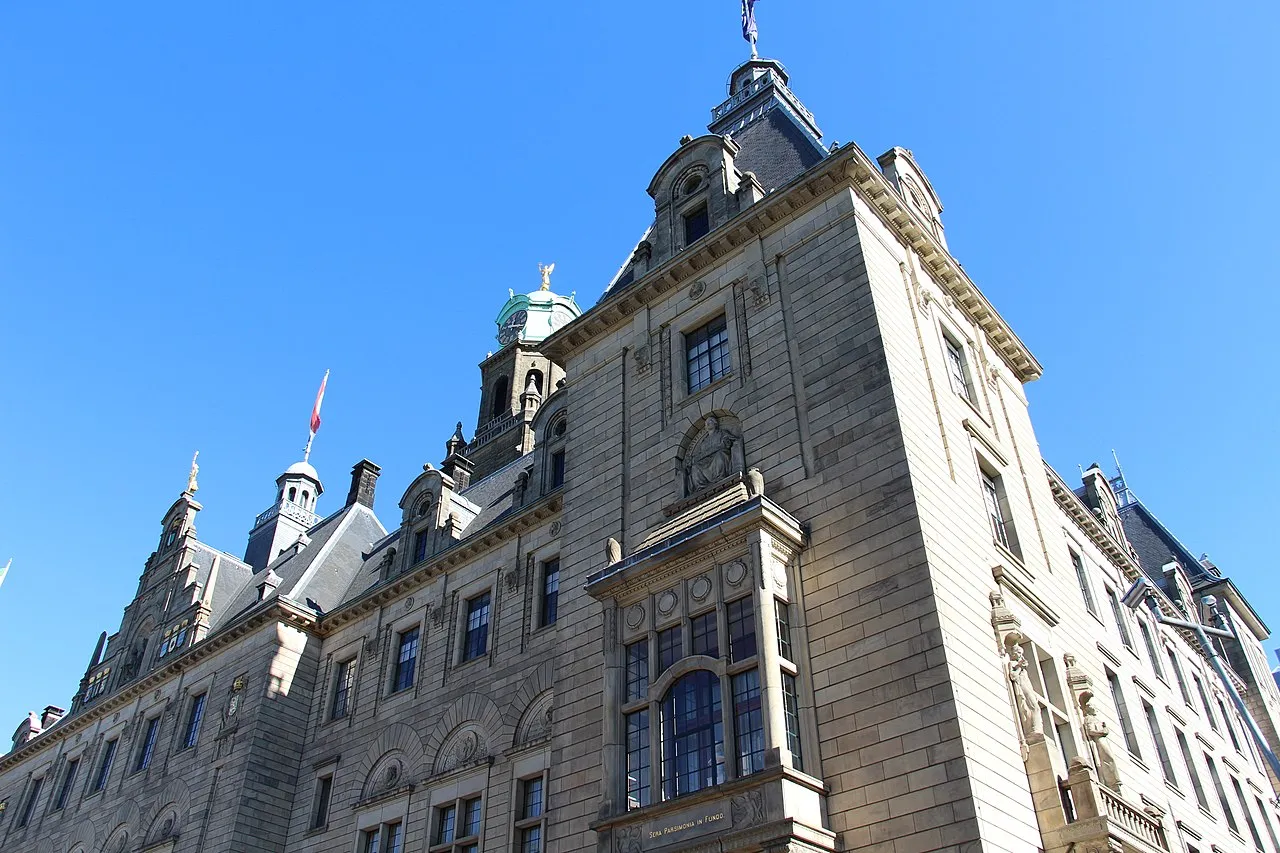
Rotterdam Travel Guide: Architecture, Museums and Waterfront Attractions is designed for travellers who want more than a quick list of attractions. Rotterdam rewards visitors who understand how its neighbourhoods, history and transport connections fit together. The city is best approached as a city rebuilt through bold architecture, port culture and riverfront regeneration. This guide explains what to see, how long to stay, how to organise the day and where to find reliable visitor information.
For a private, flexible journey that connects several Dutch cities, explore the Flying Carpet Amsterdam private tours. Travellers with specific interests can also request a custom Netherlands itinerary rather than relying on a fixed group itinerary.
Why visit Rotterdam?
Rotterdam offers a clear identity rather than a generic collection of sights. Its architecture, public spaces and cultural institutions tell a connected story, while the compact Dutch transport network makes it straightforward to reach by train. Visitors can focus on a themed day—art, history, architecture or food—or combine several interests without spending most of the day in transit.
The strongest first visit usually combines one major museum or heritage site, a walking route through the centre and time in a local neighbourhood. This pace leaves room for unexpected discoveries and avoids turning the city into a checklist.
Rotterdam Centraal and the modern city centre
Rotterdam Centraal and the modern city centre is one of the most useful places for understanding the character of Rotterdam. Allow enough time to look beyond the main viewpoint: the surrounding streets, small details and public spaces often explain why the site matters.
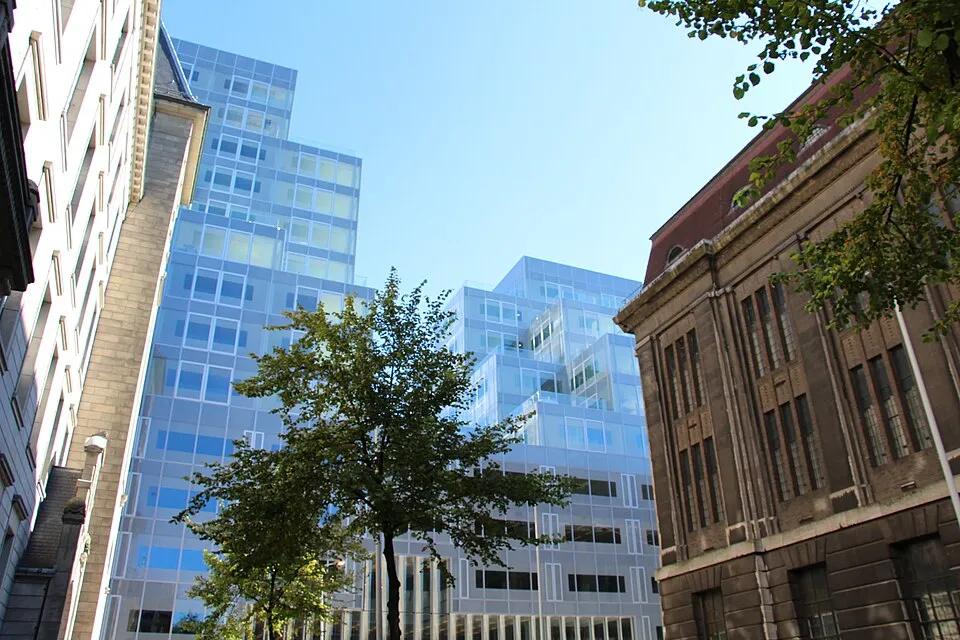
Markthal and the Cube Houses
At Markthal and the Cube Houses, practical planning improves the experience. Check the official website for current admission arrangements, temporary closures and accessibility information. Early morning or late afternoon generally provides a calmer visit and better conditions for photography.
Museumpark and Depot Boijmans Van Beuningen
The appeal of Museumpark and Depot Boijmans Van Beuningen is not limited to a single landmark. It also works as a starting point for nearby cafés, waterside walks and smaller cultural stops, making it easy to build a balanced half-day route.
Erasmus Bridge and the Kop van Zuid waterfront
Erasmus Bridge and the Kop van Zuid waterfront is one of the most useful places for understanding the character of Rotterdam. Allow enough time to look beyond the main viewpoint: the surrounding streets, small details and public spaces often explain why the site matters.
Delfshaven’s surviving historic streets
At Delfshaven’s surviving historic streets, practical planning improves the experience. Check the official website for current admission arrangements, temporary closures and accessibility information. Early morning or late afternoon generally provides a calmer visit and better conditions for photography.
How long should you spend?
A full day is enough for a focused introduction, but one night gives the city more breathing room. With two days, reserve one for the historic or cultural centre and the second for specialist museums, waterfront areas, nearby parks or a slower dining experience. When visiting as a day trip, arrive before 10:00 and select no more than two ticketed attractions.
Getting there and getting around
Dutch intercity trains connect the main cities frequently. Use the official NS journey planner for live schedules, engineering works and fare information. Inside the city, walking is usually the best way to understand the centre. Local buses, trams or metro services are useful when a museum district, beach, campus or industrial quarter lies farther away.
Contactless payment is widely supported on Dutch public transport, but travellers should check the current rules before departure. Cyclists have priority in many situations, so look carefully before crossing cycle lanes and avoid walking in clearly marked bicycle paths.
Best time to visit
Spring and early autumn offer comfortable walking weather and long enough daylight for a full itinerary. Summer brings outdoor terraces and events but can also produce busy weekends. Winter is quieter and works well for museums, cafés and architectural photography, although daylight is shorter. Always check the city’s official tourism website before travelling: https://www.rotterdam.info/en.
Food and local atmosphere
Do not treat lunch merely as a pause between attractions. Market halls, independent bakeries, neighbourhood cafés and regional dishes add context to the visit. Choose places a few streets away from the busiest square, where menus and atmosphere often feel more local. Reservations are sensible for popular restaurants on Friday and Saturday evenings.
Suggested one-day itinerary
Begin with a landmark or historic square before tour groups arrive. Continue to the principal museum or cultural attraction around late morning. After lunch, follow a walking route that links canals, architecture or neighbourhood streets. Finish near the river, a park, a market area or a viewpoint. This sequence balances structured sightseeing with relaxed exploration.
Common mistakes to avoid
- Planning too many ticketed attractions in one day.
- Assuming all museums accept walk-up visitors at busy times.
- Ignoring Monday closures or seasonal schedules.
- Walking in bicycle lanes or stopping suddenly on narrow paths.
- Using only the main square and missing surrounding neighbourhoods.
Planning a wider Netherlands trip
Rotterdam works well as part of a multi-city itinerary. Browse more Netherlands city-trip inspiration, or combine this guide with a private route planned around your interests, available time and preferred pace.
Frequently asked questions:
Is Rotterdam worth visiting?
Yes. It has a distinct cultural identity and enough museums, architecture, food and public spaces for a satisfying day or weekend.
Can I visit Rotterdam as a day trip from Amsterdam?
In most cases, yes. Check current train times with NS and start early enough to avoid compressing the itinerary.
Do I need to book museums in advance?
Advance booking is recommended for major attractions, weekends, school holidays and temporary exhibitions.
Is the city suitable for families?
Generally yes. Mix one museum with outdoor space, a boat trip, interactive attraction or relaxed café stop.
What should I check before travelling?
Confirm opening hours, ticket rules, public-transport works, weather and accessibility arrangements on official websites.
Conclusion
A successful visit to Rotterdam is built around quality rather than quantity. Select a few meaningful sights, walk between them, leave time for local food and verify practical details shortly before departure. That approach reveals the city’s character and makes the journey feel personal rather than rushed.