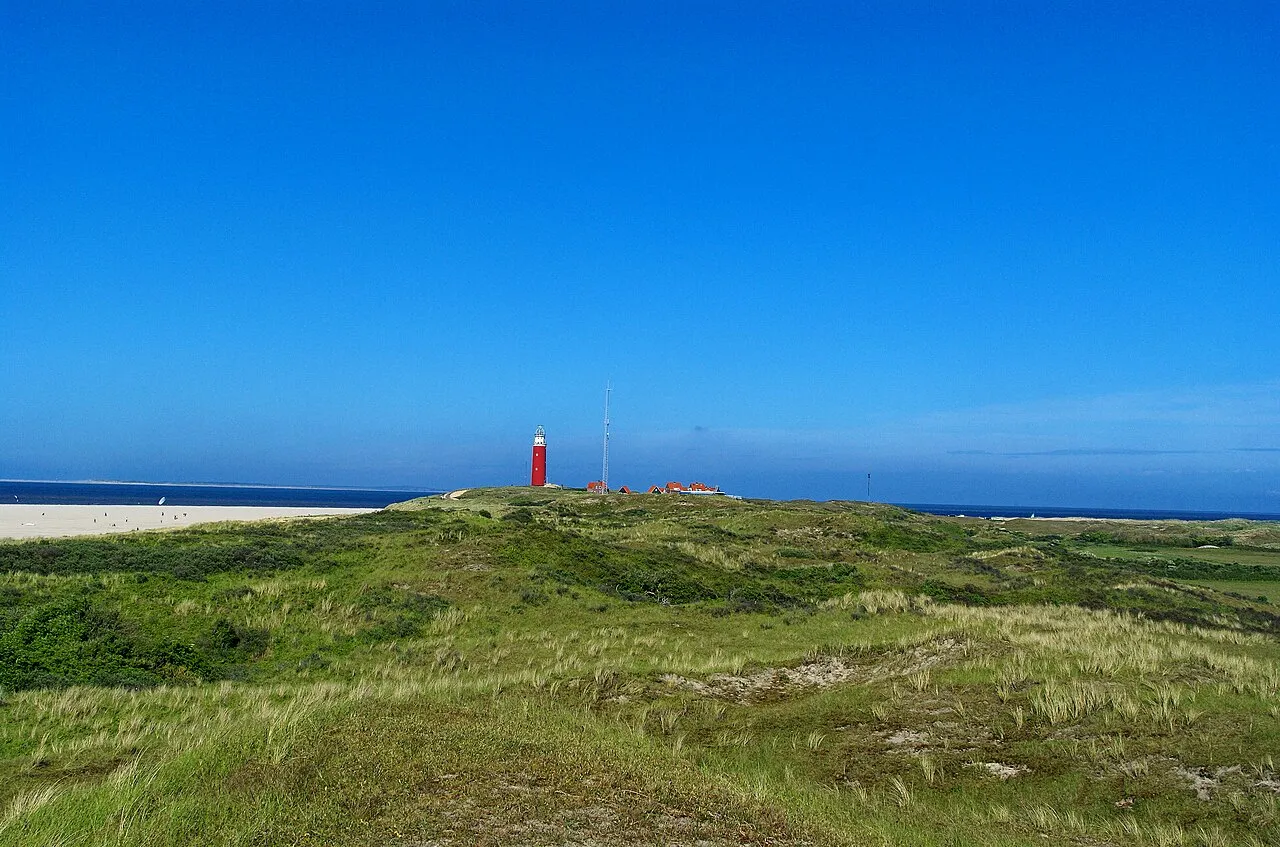
Texel is the largest Dutch Wadden Island and one of the easiest islands to combine with a wider Netherlands itinerary. Beaches, dunes, villages, bird-rich landscapes and an extensive cycling network create a trip that can be active or deliberately slow.
This article focuses on useful travel planning, current official resources and a realistic pace rather than an overfilled sightseeing checklist.
Quick planning summary
- Official information: https://www.texel.net/en/
- Train planning: NS Dutch Railways
- Public transport: 9292
- Best strategy: choose one main experience, then add flexible activities around it.
- Before travelling: verify opening hours, seasonal access, weather-sensitive activities and transport works.
Why add Texel to your Netherlands itinerary?
A strong Netherlands itinerary works best when every stop offers something clearly different. Texel gives the trip a distinct natural, cultural or historical layer instead of simply repeating the Amsterdam canal-centre experience.
If you want to connect several regions in a flexible way, explore Flying Carpet Amsterdam tours or ask for a custom Netherlands itinerary.
Arriving by ferry
Texel is reached from Den Helder. Ferry procedures, vehicle arrangements and peak-season queues can change, so verify current information before departure.
Give this part of the visit enough time to understand its wider setting rather than treating it as a quick photo stop. Because access, seasons and visitor rules can change, confirm practical details with the official destination source shortly before travel.
Beaches and De Slufter
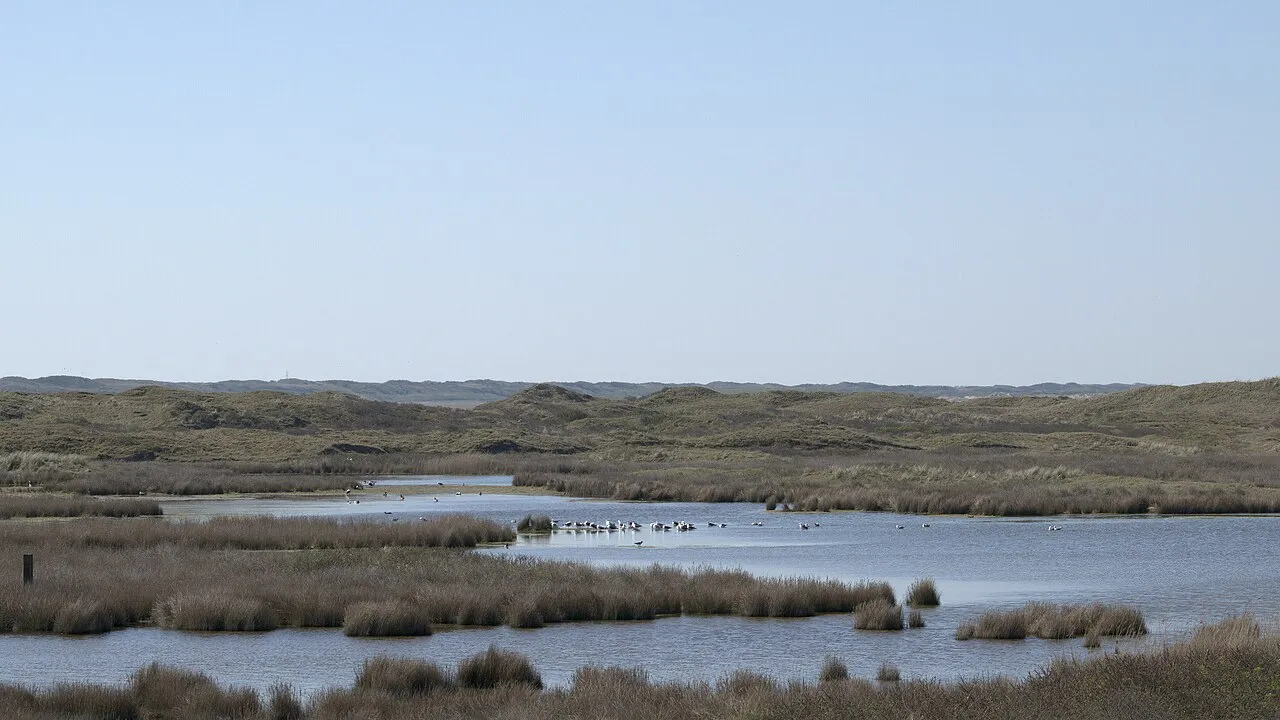
The western side offers broad North Sea beaches and dune landscapes. De Slufter is especially distinctive because seawater can enter the dune valley, creating a dynamic coastal environment.
Give this part of the visit enough time to understand its wider setting rather than treating it as a quick photo stop. Because access, seasons and visitor rules can change, confirm practical details with the official destination source shortly before travel.
Cycling between villages
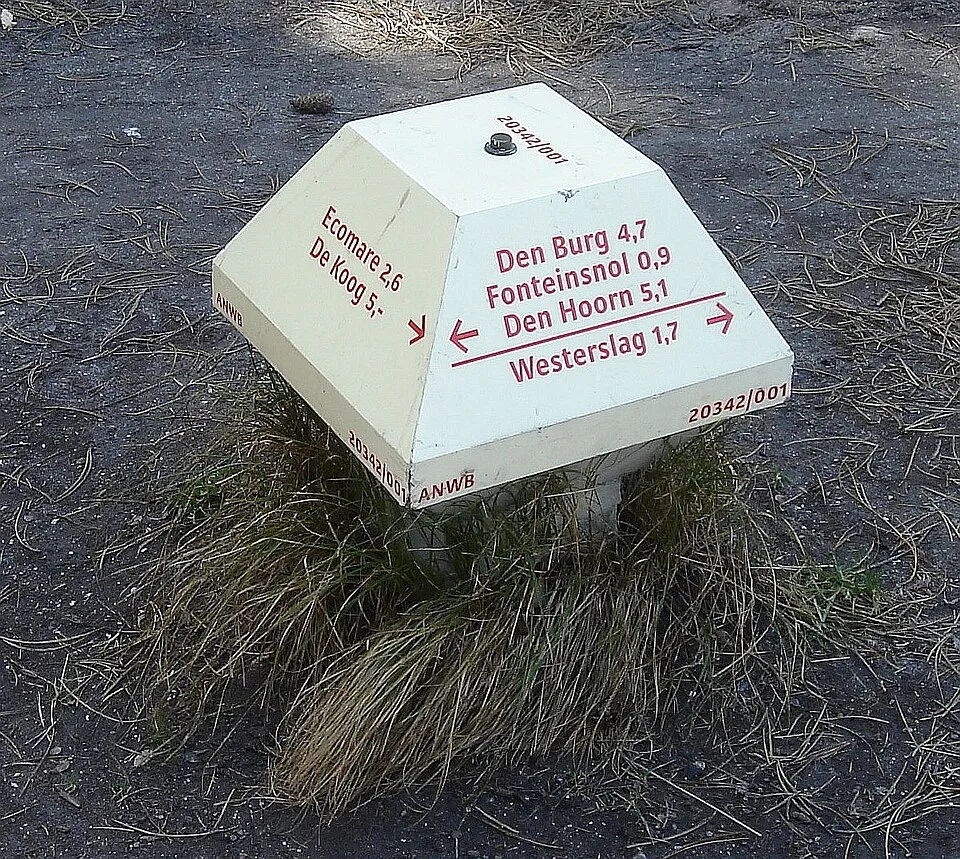
Cycle routes link Den Burg, De Koog, Oudeschild and smaller settlements while revealing the agricultural landscape between them.
Give this part of the visit enough time to understand its wider setting rather than treating it as a quick photo stop. Because access, seasons and visitor rules can change, confirm practical details with the official destination source shortly before travel.
How long to stay
A day trip is possible, but one or two nights make the island feel very different by allowing time for beaches, villages and nature without watching the ferry clock.
Give this part of the visit enough time to understand its wider setting rather than treating it as a quick photo stop. Because access, seasons and visitor rules can change, confirm practical details with the official destination source shortly before travel.
How long should you spend?
For most travellers, a full day is the safest starting point for a major nature area, island or complex attraction, while a compact historic city can often be explored comfortably in one well-paced day. If the journey includes a ferry, multiple buses, bicycle rental or a long final walk, calculate those separately from actual sightseeing time.
Travellers who enjoy photography, museums, wildlife or slow meals should plan more generously. The objective is not to maximise the number of stops but to leave with a clear sense of the place.
Best season and time of day
Late spring and early autumn often provide the best balance of daylight, comfortable walking conditions and moderate crowds. Summer suits beaches, cycling and long outdoor days but can be busy. Winter can be rewarding for museums, quiet towns and dramatic coastal weather.
Early morning is generally best for calm streets, wildlife and photography. On islands and coastal routes, wind and ferry schedules can matter as much as temperature, so check the forecast shortly before departure.
Getting there and getting around
The Dutch transport network makes many destinations accessible without a car. Use NS for rail information and 9292 for multi-modal journeys. For islands, always add the current ferry schedule. A bicycle can be the most enjoyable local transport option, but wind, weather and distance should influence the decision.
If several rural stops are planned in one day, compare public transport with a private route rather than assuming one method is always more efficient.
Food, breaks and local atmosphere
Build at least one unhurried break into the day. Harbour cafés, bakeries, market stalls and regional products can add as much local character as another attraction. At remote nature sites, check seasonal opening hours and carry water and a small snack when appropriate.
Walking a little beyond the busiest viewpoint often leads to quieter cafés and a more genuine sense of local life.
Responsible travel
- Stay on marked paths in dunes, wetlands and breeding areas.
- Respect private homes in historic villages.
- Never feed wildlife or approach animals for photographs.
- Follow ferry, beach and water-safety instructions.
- Use designated parking and viewpoints near infrastructure.
- Carry waste out of protected landscapes.
Photography without disrupting the place
Arrive early when photography is important, and never block paths, cycle lanes, bridges or entrances. At museums, memorials and residential heritage areas, follow the character of the place rather than treating every location as a backdrop.
Cloud, wind and changing light are part of the Dutch coastal and wetland landscape. Imperfect weather can often produce more atmospheric photographs than a completely clear sky.
Planning a wider Netherlands route
Use geography and contrast when choosing the next destination. Pair a nature area with a nearby city, or an engineering landmark with a museum that explains its history. Avoid placing several similar villages or museums on consecutive days. For more ideas, browse the Flying Carpet Amsterdam city-trip articles.
Frequently asked questions
Is Texel suitable for a first trip to the Netherlands?
Yes, especially when you want to experience more than central Amsterdam and add a distinctive landscape, cultural theme or historic setting.
Can I visit in one day?
Often yes, although islands and large nature areas benefit from extra time. Check the complete door-to-door journey before deciding.
Do I need to book in advance?
Reserve capacity-controlled museums, ferries, guided activities and popular seasonal experiences when the official website recommends it.
Is a car necessary?
Not usually. Train, bus, ferry and bicycle combinations work well for many Dutch destinations, although a car can help when several rural stops are combined.
Where should I verify current information?
Use the official destination page above, NS for trains, 9292 for public transport and the relevant ferry or attraction operator.
Final planning advice
The best visit to Texel comes from choosing a clear reason to go, allowing realistic time and using current official information for logistics. Keep one main experience at the centre of the day and let the surrounding area provide the unexpected moments.